
Congestive Heart Failure (CHF) is a prevalent and complex clinical syndrome that demands accurate documentation and coding for optimal patient care, reimbursement, and research. The ICD-10 coding system provides a standardized approach to classifying CHF and its variations. However, with multiple codes and frequent updates, it can be challenging to choose the correct code for […]
Chronic Obstructive Pulmonary Disease (COPD) is a significant global health issue, characterized by persistent respiratory symptoms and airflow limitation. Accurate coding of COPD is essential for proper documentation, billing, and patient care. The ICD-10 coding system provides a structured way to classify and communicate different COPD diagnoses. This article explores the most common COPD ICD-10 […]
Cardiology medical billing suffers from high denial rates due to the strict bundling rules of the National Correct Coding Initiative (NCCI), absolute medical necessity tracking, and precise component matching. Procedures and Claim Adjustment Reason Codes (CARC) 1. Echocardiography: CPT 93306 The Denial Code: CO-16 (Claim/service lacks information) or CO-50 (Not medically necessary). The Root Cause: […]
Introduction In the intricate world of medical billing, accuracy and compliance are non-negotiable. One critical, often-overlooked aspect that directly affects reimbursement and revenue cycle management is the use of modifiers. These seemingly small two-character codes appended to CPT or HCPCS codes play a pivotal role in clarifying how, why, and by whom procedures and services […]

Billing medical procedures accurately is critical for healthcare providers to ensure timely reimbursements and compliance with insurance regulations. One commonly used procedure code in orthopedics and pain management is CPT Code 20610, which pertains to joint injections. Understanding how to properly bill this code is essential to avoid claim denials, rejections, and delays. In this detailed […]
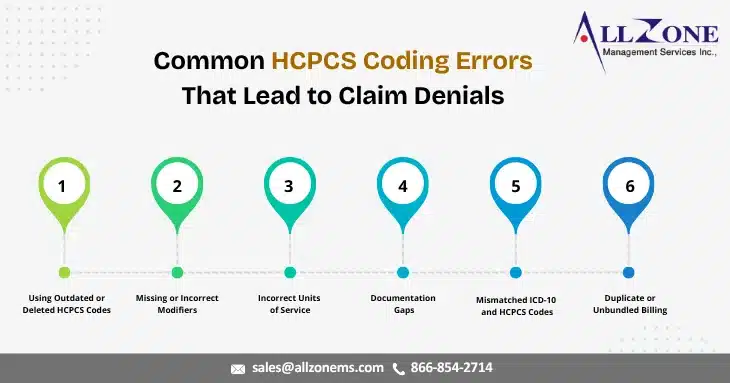
Healthcare organizations rely heavily on accurate coding to ensure timely reimbursement. While CPT and ICD-10 codes often receive most of the attention, HCPCS Level II codes play an equally critical role in billing for supplies, medications, durable medical equipment (DME), ambulance services, and other non-physician services. Even small HCPCS mistakes can trigger claim rejections, payment […]
Here’s your rephrased, expanded, and more natural (human-written style) version with smoother flow, stronger transitions, and added depth. I kept your structure but enriched the narrative, added examples, and improved readability while keeping it newsletter/blog-friendly. In 2026, healthcare organizations are dealing with a challenge that feels familiar—but far more intense than before. Claims are becoming […]
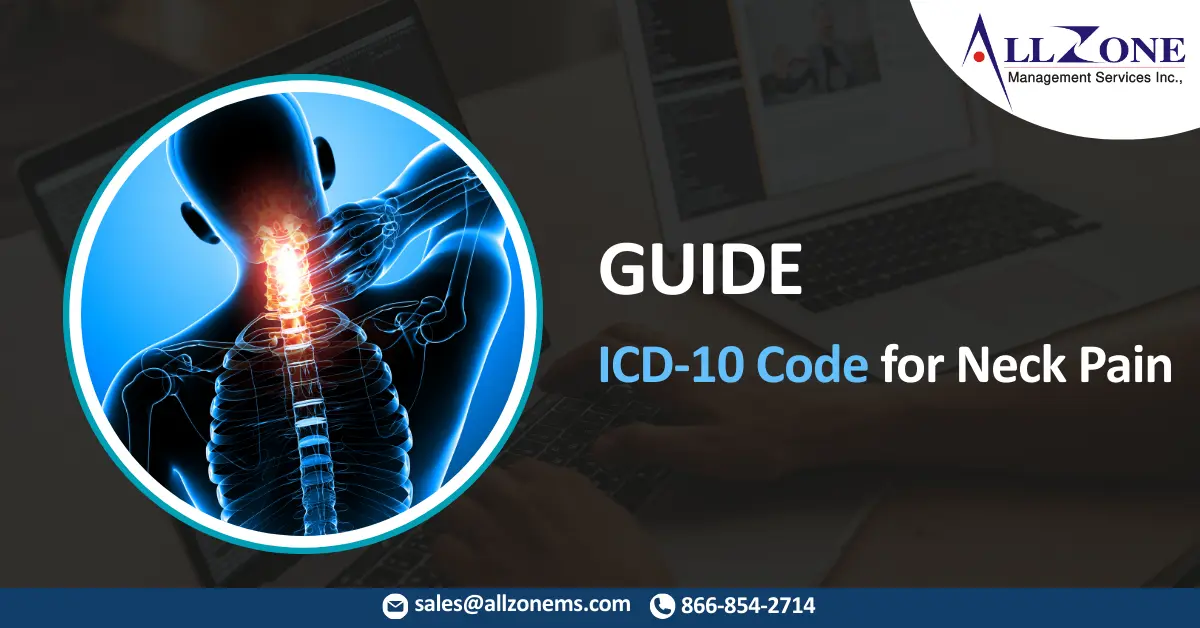
Neck pain is one of the most common complaints among patients in primary care, physical therapy, orthopedics, and chiropractic settings. Whether it’s caused by poor posture, injury, or an underlying medical condition, accurate diagnosis and precise medical coding are crucial for proper treatment, billing, and reimbursement. In medical billing and coding, the ICD-10 code for […]
In the intricate world of healthcare billing and coding, accuracy is paramount. Healthcare providers rely on standardized coding systems to communicate diagnoses, procedures, and services to payers. Among these crucial systems are the Healthcare Common Procedure Coding System (HCPCS) codes, which are essential for proper reimbursement. However, the HCPCS system isn’t a monolithic entity; it’s […]