
In this blog, we’ll explore strategies to prevent medical coding denials and optimize the reimbursement process. Medical coding denials are a common challenge for healthcare providers and revenue cycle management (RCM) teams. They can disrupt cash flow, delay reimbursements, and increase administrative workloads. Avoiding these denials requires a proactive approach that addresses their root causes, […]
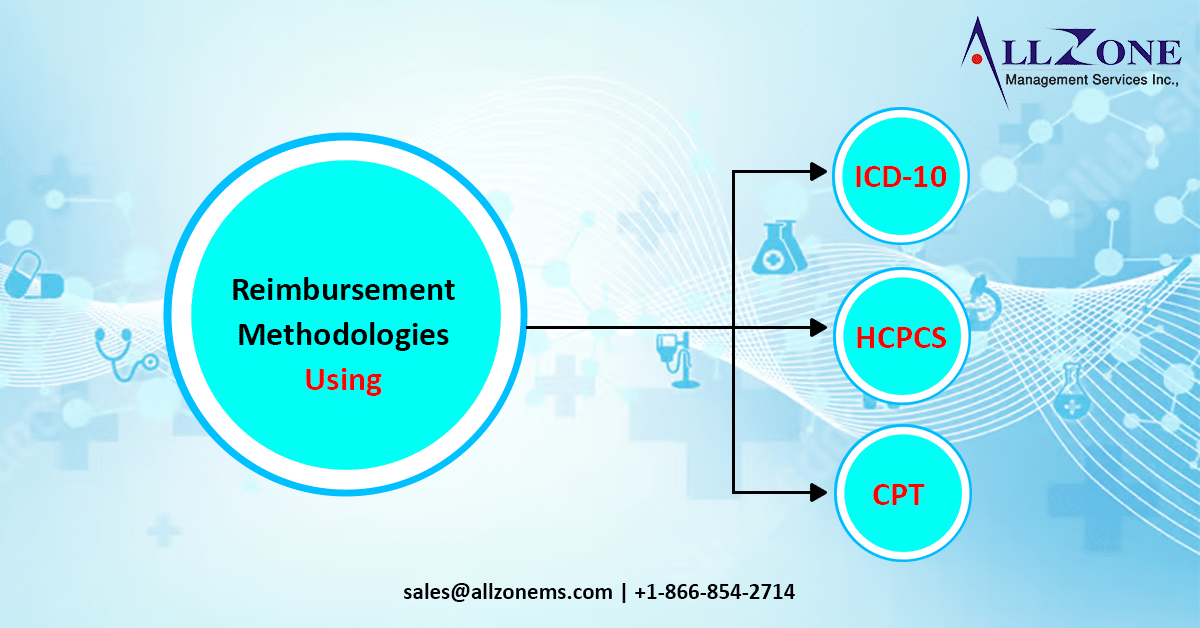
The Role of Medical Codes in Reimbursement Methodologies: Medical codes, such as CPT, HCPCS, and ICD-10 (CM and PCS), are essential components of various reimbursement methodologies. The Inpatient Prospective Payment System (IPPS), used by Medicare fee-for-service, categorizes patient stays into Medicare Severity Diagnosis Related Groups (MS-DRGs) based on ICD-10 codes processed through a computerized system. […]
The CMS Releases July 2024 OPPS Update (reference: CMS Change Request CR13632, MLN Matters number MM13632). Here’s a summary of key changes: New Coverage for COVID-19 Pre-Exposure Prophylaxis: Drug: PEMGARDA (pemivibart) – Code: Q0224 (Note: This code is not reimbursed under OPPS, but at a “reasonable cost”) Administration: Code: M0224 (Covered: Receives separate payment under […]
Access to beneficial healthcare is largely tied to insurance reimbursements for many Americans. Yet, despite their significance, physicians encounter various obstacles in obtaining these payments. Challenges involve inconsistent reimbursement schedules, payment audits, billing errors, unforeseen denials, lengthy appeals, and services falling outside coverage. These issues can hinder timely care, disrupt service continuity, and leave medical […]
Ensuring precise claims processing and prompt reimbursements, healthcare practitioners rely heavily on efficient medical billing and coding procedures. The act of streamlining these functions holds the potential to not only heighten overall effectiveness but also to curtail administrative burdens and mitigate the risk of errors. Within this article, we will delve into a selection of […]
What a difference 15 minutes can make when billing E/M services. The Centers for Medicare & Medicaid Services (CMS) issued a notice March 14 correcting several errors in the 2023 Medicare Physician Fee Schedule (MPFS) final rule. Most notably, CMS is correcting technical errors in the calculations of the time thresholds for reporting evaluation and […]
Question: Could you kindly provide us with the updated telehealth services codes for the year 2023? Response: Regarding Medicare Telehealth Services for the year 2023, the Centers for Medicare and Medicaid Services (CMS) are introducing fresh Healthcare Common Procedure Coding System (HCPCS) codes to the compilation of Medicare telehealth services. More precisely, the subsequent HCPCS […]
Choosing a proper office visit code can become confusing unless one understands the rules separating preventive medicine and evaluation and management (E&M) coding. Problem-oriented E&M services, office, and other outpatient visit codes 99202-99215 (along with hospital, observation, and consultative encounters) are for patients who present with signs, symptoms, conditions, diagnoses and/or problems that need to […]
The 2021 changes to Evaluation and Management (E/M) coding significantly changed how physicians and qualified healthcare professionals could select office and other outpatient visit codes based on time. Instead of relying on “typical” times, the revised CPT® guidelines introduced specific time ranges for each level of service. These changes also created an important distinction between […]
On December 1, 2020, the Centers for Medicare & Medicaid Services (CMS) finally issued the final rule for the 2021 Medicare Physician Fee Schedule (PFS). This was later than usual due to the public health emergency (PHE) and gives practices little time to prepare. However, we found that the changes from the proposed rule were […]