Introduction to HCPCS R Codes in Radiology Billing Diagnostic radiology services are a cornerstone of modern healthcare, helping physicians diagnose conditions early and create effective treatment plans using imaging technologies such as X-rays, CT scans, MRI, PET scans, and ultrasound. While these procedures improve patient outcomes, the billing and coding process behind them is often […]
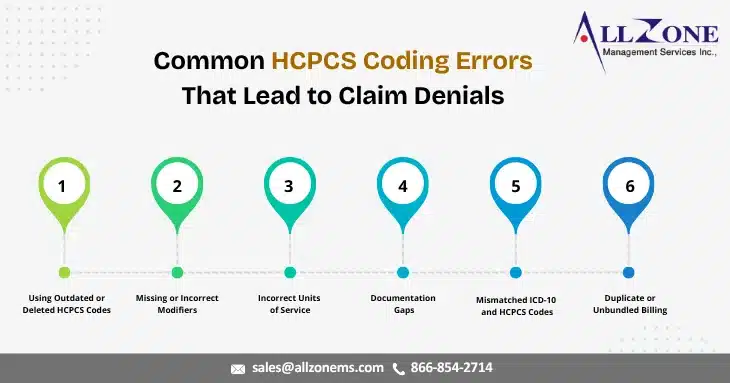
Healthcare organizations rely heavily on accurate coding to ensure timely reimbursement. While CPT and ICD-10 codes often receive most of the attention, HCPCS Level II codes play an equally critical role in billing for supplies, medications, durable medical equipment (DME), ambulance services, and other non-physician services. Even small HCPCS mistakes can trigger claim rejections, payment […]
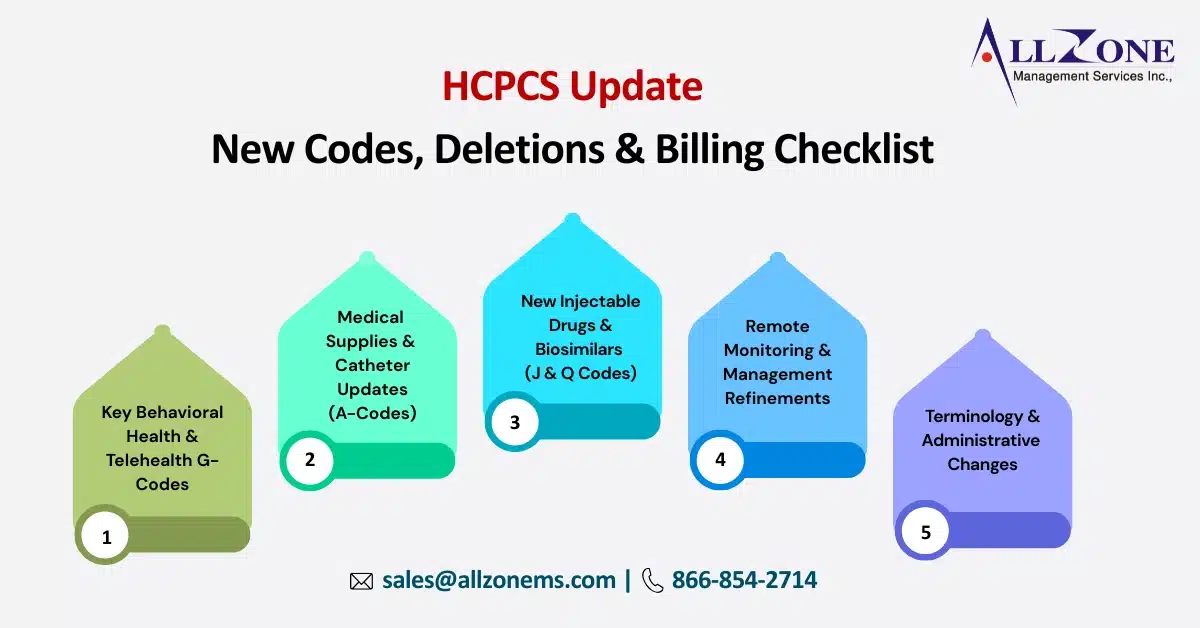
HCPCS Level II & CMS Guidelines HCPCS January 2026 Update: Includes 160 new codes and 101 deletions. Notable additions include new J-codes for FDA-approved products and M-codes for telehealth-conducted encounters. CMS Terminology Shift: CMS is beginning to phase out the term “Social Determinants of Health” in favor of “upstream drivers” in certain official descriptors. NCCI […]
Orthotic and prosthetic (O&P) services play a crucial role in improving patients’ mobility, supporting musculoskeletal alignment, and restoring physical function after trauma, surgery, or chronic conditions. To ensure accurate reimbursement for these medical devices, healthcare providers rely on the HCPCS Level II L Codes, which specifically describe orthotic and prosthetic procedures, supplies, and related components. […]
Introduction In the complex world of healthcare reimbursement, coding accuracy is critical to ensure proper payment and compliance. Among the various code sets used, HCPCS K Codes hold a special place for their role in billing durable medical equipment (DME) and other specific supplies. These codes are often overlooked but play an essential part in […]
In the complex world of medical billing and coding, the Healthcare Common Procedure Coding System (HCPCS) plays a vital role in ensuring accurate documentation, reimbursement, and compliance. While most healthcare professionals are familiar with CPT (Current Procedural Terminology) codes, HCPCS codes — particularly G codes — often raise questions among billers, coders, and providers. This […]
Therapy services play a vital role in healthcare, helping patients recover from injuries, manage chronic conditions, and improve overall well-being. To ensure accurate billing and reimbursement, healthcare providers must use the correct therapy services codes. These codes, primarily based on the Current Procedural Terminology (CPT) and Healthcare Common Procedure Coding System (HCPCS), help standardize claims […]
Stay updated with the latest guidelines for reporting products and procedures related to Chimeric Antigen Receptor (CAR) T-cell therapy to ensure accurate CAR-T therapy coding and billing for Medicare patients. Overview of CAR-T Therapy CAR-T is a cutting-edge cell-based gene therapy that modifies a patient’s own T lymphocytes (T-cells) in a lab to express chimeric […]
The Centers for Medicare and Medicaid Services (CMS) has released a summary of each HCPCS Level II code application decision. The document is twenty-eight pages long and the link can be found in the Resources section. There are 23 items included in the HCPCS Level II Code Q2 2024 Drug and Biological decisions. Twenty new […]
Accurate coding is essential for retina practices performing intravitreal injections, especially when handling retina injection coding. While medication and modifier updates occur frequently, understanding these basics ensures proper reimbursement: CPT® Code Consistency: CPT® code 67028 remains constant for administering the medication. HCPCS Level II Code Tracking: Codes for injected drugs (HCPCS Level II) vary and […]