
End to end RCM (Revenue Cycle Management) encompasses every step in the healthcare payment process, from patient registration to final reimbursement. By adopting a comprehensive RCM approach, healthcare organizations can improve cash flow, minimize errors, and ensure compliance with ever-changing regulations. This blog will explore the components, benefits, and best practices for implementing an end […]

Effective January 1, 2026, the American Medical Association (AMA) has introduced a complete overhaul of the Lower Extremity Revascularization (LER) coding system. The previous code range (37220–37235) has been deleted and replaced by a more granular set of 46 new codes (37254–37299) designed to better reflect modern endovascular techniques and procedural complexity. Key Structural Changes […]
On March 20, 2026, the Centers for Medicare & Medicaid Services (CMS) finalized the Administrative Simplification; Adoption of Standards for Health Care Claims Attachments Transactions and Electronic Signatures Final Rule (CMS-0053-F). This landmark rule establishes standards for healthcare claims attachments under HIPAA, making secure electronic exchanges mandatory for supporting clinical documentation like medical records, X-rays, […]
Introduction In the complex world of healthcare revenue cycle management, the journey toward a clean claim submission begins long before a patient ever sees a doctor. One of the most critical steps in this process is patient registration. It might seem routine, but patient registration is the backbone of accurate billing and timely reimbursement. Errors here […]
Maternal healthcare services require some of the most precise and sensitive medical documentation in the healthcare system. From the first prenatal visit to delivery and postpartum recovery, every stage involves detailed clinical reporting and strict compliance with payer guidelines. This is where ICD O00–O9A: Pregnancy, Childbirth & Puerperium codes play a critical role. Accurate coding […]
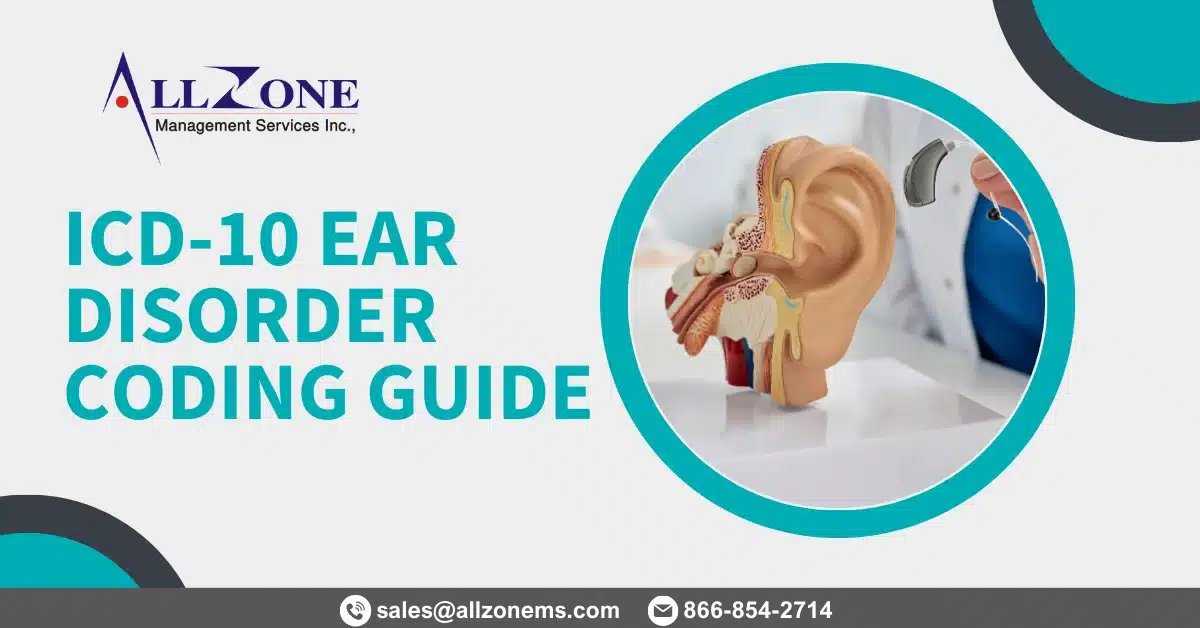
Introduction Accurate ICD-10 ear disorder coding is essential for healthcare providers, ENT specialists, pediatric clinics, and revenue cycle teams that depend on clean claims and timely reimbursements. Ear-related infections and inflammatory conditions are among the most frequently diagnosed problems in outpatient and specialty practices. Without precise coding, even routine ear infection claims can result in […]
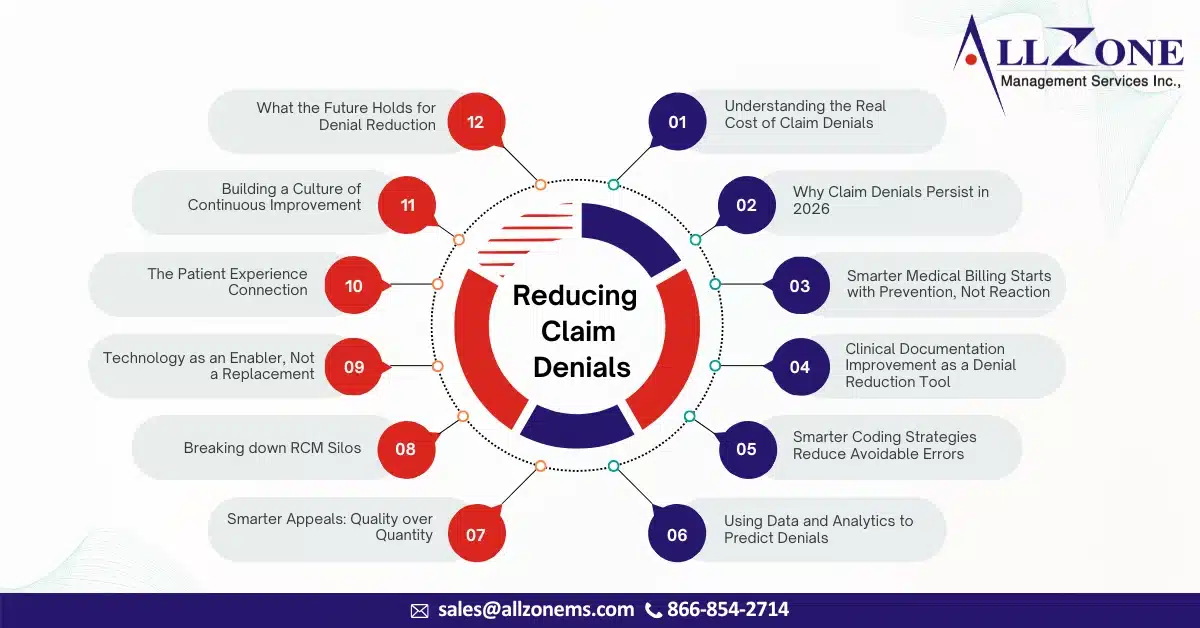
In 2026, claim denials are no longer viewed as an unavoidable part of healthcare operations—they are increasingly seen as a preventable revenue leak. As margins tighten, payer scrutiny intensifies, and patient expectations rise, healthcare organizations are under more pressure than ever to get billing right the first time. Yet, despite advancements in technology and data […]
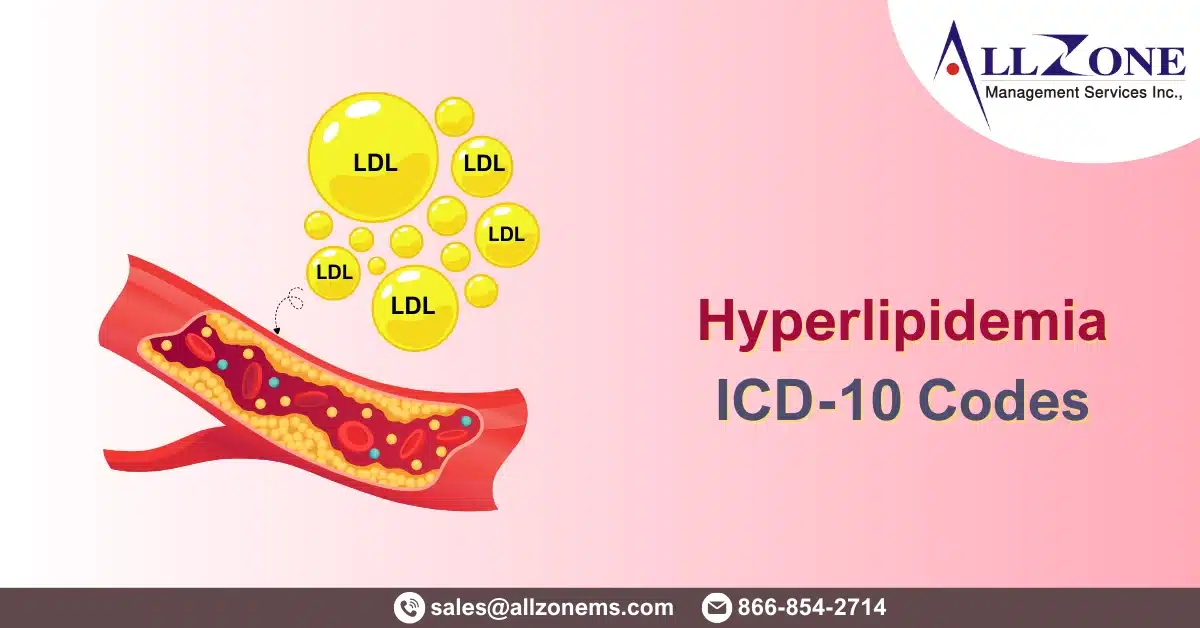
Hyperlipidemia is one of the most commonly diagnosed chronic conditions in clinical practice, significantly increasing the risk of cardiovascular disease, stroke, and metabolic disorders. With the rising prevalence of lipid disorders, accurate ICD-10 coding for hyperlipidemia has become essential for proper documentation, reimbursement, and compliance. Even minor coding errors can lead to claim denials, underpayment, […]
Accurate coding is the foundation of efficient medical billing, proper reimbursement, and compliance with regulatory guidelines. Among the most frequently encountered diagnoses in healthcare, anemia stands out due to its prevalence and complexity. Whether caused by nutritional deficiencies, chronic diseases, or genetic conditions, anemia must be coded precisely to avoid claim denials and ensure appropriate […]
C-level executives often get caught up in the day-to-day operations of their companies and lose sight of the bigger picture. This can be especially true when it comes to the medical billing side of their business. In a world of ever-changing regulations and codes, it can be difficult to keep up with the latest information. […]