
On March 20, 2026, the Centers for Medicare & Medicaid Services (CMS) finalized the Administrative Simplification; Adoption of Standards for Health Care Claims Attachments Transactions and Electronic Signatures Final Rule (CMS-0053-F). This landmark rule establishes standards for healthcare claims attachments under HIPAA, making secure electronic exchanges mandatory for supporting clinical documentation like medical records, X-rays, […]
Introduction In today’s rapidly evolving healthcare landscape, regulatory requirements and compliance standards are constantly changing. For healthcare providers and medical billing companies, keeping up with these updates is not just a legal necessity—it is a core component of delivering safe, ethical, and high-quality patient care. Understanding the healthcare compliance updates importance is essential, as falling behind on […]
For the 2026 ICD-10-CM code updates, you’ll find 16 new “R” codes that offer greater detail for reporting pain and tenderness in the pelvic, perineal, subpubic, abdominal, and flank regions. The existing code R10.2- (Pelvic and perineal pain) will become a parent code. A notable addition is R11.16 (Cannabis hyperemesis syndrome (CHS)), specifically for nausea […]
The final rule issued by the Biden administration aimed to bolster the privacy of reproductive healthcare data under HIPAA, a significant move following the Supreme Court’s overturning. Health and Human Services (HHS) officials hoped this rule would alleviate the “chilling effect” on individuals seeking or providing legal reproductive healthcare, stemming from both legal challenges and […]
In the intricate ecosystem of healthcare, where patient well-being and financial viability intertwine, accurate medical coding stands as a cornerstone. Physicians, while primarily focused on patient care, bear the ultimate responsibility for the documentation that underpins the billing process. To ensure accuracy and compliance, Medical Coding Audits for Physicians are essential in identifying potential errors […]
Revenue cycle management (RCM) is the financial backbone of any medical practice, ensuring timely reimbursement while maintaining compliance with ever-evolving regulations. However, many practices unknowingly face significant compliance risks that can lead to claim denials, audits, financial penalties, and even legal consequences. Common pitfalls include billing and coding errors, fraud and abuse violations, HIPAA breaches, […]
Troubleshooting and insurance: These are the dual purposes of maintaining a detailed Healthcare Compliance Issue Logs, according to a senior compliance executive. Speaking at AAPC’s HEALTHCON Regional, the senior compliance executive highlighted the Office of Inspector General’s (OIG) new voluntary compliance guidance, emphasizing its importance even for organizations already familiar with the seven elements of […]
Health care in the United States is constantly changing, with new regulations and policies being developed to improve patient outcomes, increase access to care, and reduce costs. Impact of Healthcare Reform on RCM, keeping up with these changes is essential for Revenue Cycle Management (RCM) professionals. New regulations can impact everything from billing and coding […]
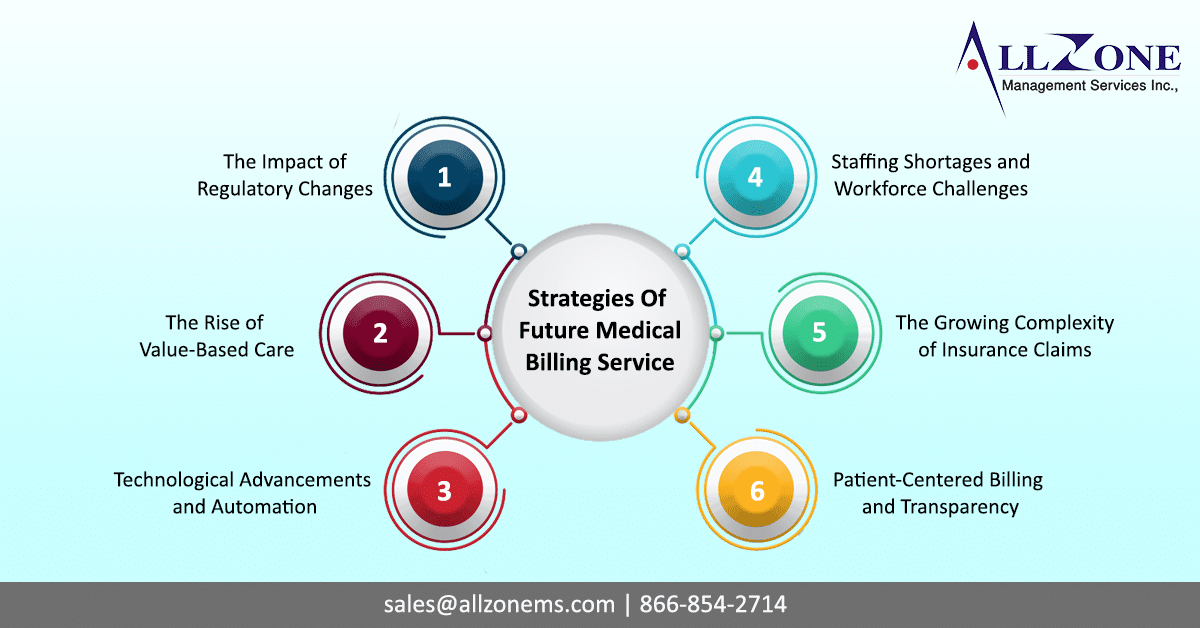
Medical billing is experiencing significant changes as the healthcare industry rapidly evolves. Healthcare providers are facing new challenges managing their revenue cycles as the sector becomes more complex. The future of medical billing services is not without obstacles. However, medical billing services play a critical role in ensuring providers receive timely and accurate reimbursement for […]
The healthcare industry has traditionally been a black box when it comes to pricing. Patients, providers, and payers alike have often struggled to understand the complex web of costs associated with medical services. However, a seismic shift is underway. The advent of price transparency regulations and the evolving role of Revenue Cycle Management (RCM) are […]