
Pneumonia remains one of the most common and potentially life-threatening respiratory infections worldwide, impacting people of all ages but especially dangerous for the very young, elderly, and those with weakened immune systems. For healthcare providers, accurate coding is not just a billing necessity—it’s a cornerstone of quality care, public health surveillance, and medical research. In […]
Pleural effusion, a condition marked by excess fluid accumulation between the layers of the pleura outside the lungs, is a common clinical finding with a variety of underlying etiologies. Correctly coding pleural effusion using ICD-10 is crucial for accurate medical billing, streamlined reimbursement, and comprehensive patient care documentation. This detailed guide will help you understand […]
If you’re a medical coder, healthcare provider, or billing specialist, accurate coding is critical for patient care, compliance, and reimbursement. When it comes to swallowing disorders, knowing the right dysphagia ICD 10 code is essential. In this comprehensive guide, you’ll learn all about dysphagia, the ICD-10 codes used to document it, how to choose the […]
Sinusitis is one of the most common diagnoses in outpatient and inpatient clinical practice. Whether you’re a healthcare provider, medical coder, or biller, using the correct Sinusitis ICD 10 Code is crucial for accurate documentation, billing, and care continuity. This comprehensive guide will cover the ins and outs of sinusitis coding, including code selection, best […]
Fatigue is a symptom that crosses virtually every medical specialty, from primary care and internal medicine to oncology and psychiatry. Properly coding fatigue is essential for accurate billing, epidemiological tracking, and maintaining continuity in patient care. The fatigue ICD 10 code R53.83 is specifically used for “Other Fatigue,” but understanding when and how to use […]
Billing medical procedures accurately is critical for healthcare providers to ensure timely reimbursements and compliance with insurance regulations. One commonly used procedure code in orthopedics and pain management is CPT Code 20610, which pertains to joint injections. Understanding how to properly bill this code is essential to avoid claim denials, rejections, and delays. In this detailed […]

Accurate modifier usage is one of the most important elements in achieving clean claim submissions and full reimbursement in surgical billing. Among the lesser-used but extremely important surgical modifiers is Modifier 81 – Minimum Assistant Surgeon. Many practices overlook or misuse this modifier, leading to preventable denials, delayed payments, and compliance issues. This comprehensive guide […]
As healthcare documentation continues to evolve, the ability to accurately capture procedures performed in inpatient settings is vital for patient safety, proper reimbursement, and compliance. One of the most sophisticated tools used in this context is the ICD-10-PCS (International Classification of Diseases, 10th Revision, Procedure Coding System). Designed for inpatient procedure coding in the U.S., […]
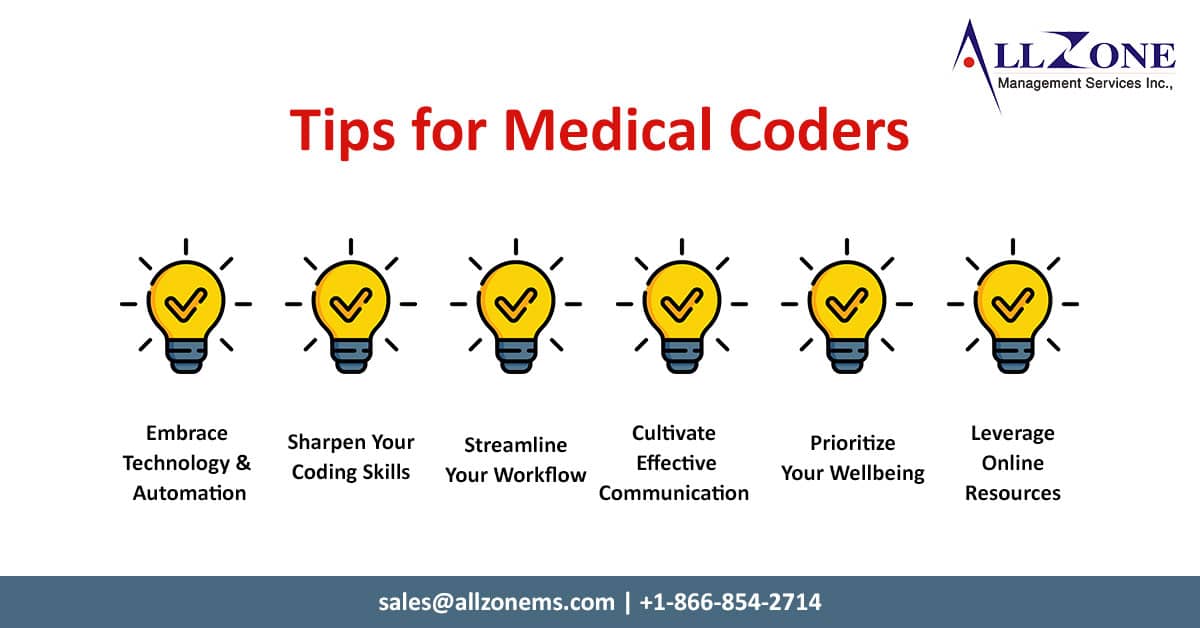
In the fast-paced world of medical coding, efficiency is key. With ever-changing regulations, increasing workloads, and tight deadlines, maximizing your coding speed and accuracy becomes crucial. This newsletter explores a range of practical Medical Coders tips and strategies to help you conquer your coding tasks and free up valuable time. Master the Art of Organization: […]
Medical ICD-10-CM coding accuracy is crucial for efficient healthcare reimbursement. Even minor errors can lead to claim denials, delays, and lost revenue. Here are the top 10 medical coding mistakes to avoid: Accuracy is Key: 1. Don’t Skip the Details: ICD-10-CM codes often require specific details in the fourth and fifth digits. Using truncated codes […]