
Accurate coding is the foundation of successful medical billing, especially when it comes to nutrition and dietary services. From medical nutrition therapy (MNT) to diabetes education and obesity counseling, dietary services play a vital role in preventive and chronic care management. However, using the wrong CPT codes or missing documentation can quickly lead to denials, […]
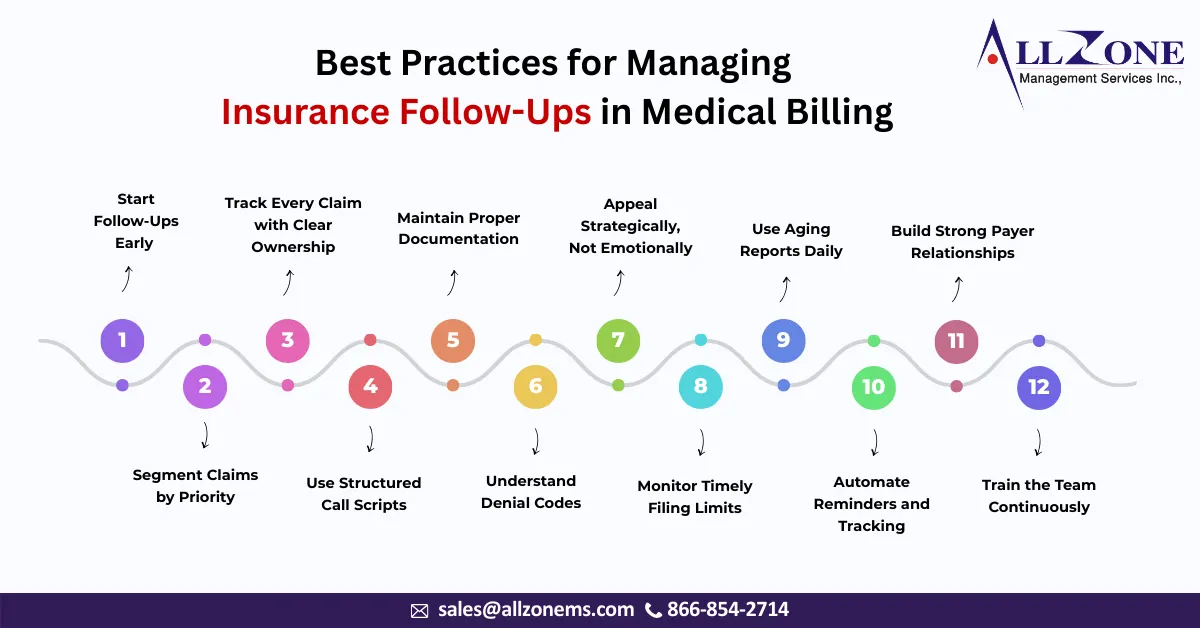
If you ask any experienced revenue cycle manager what truly determines the financial health of a healthcare organization, the answer is rarely coding or charge entry alone. The real difference often lies in one specific operational area — insurance follow-ups. Claims are submitted every day. Payments are expected every day. But revenue is actually realized […]
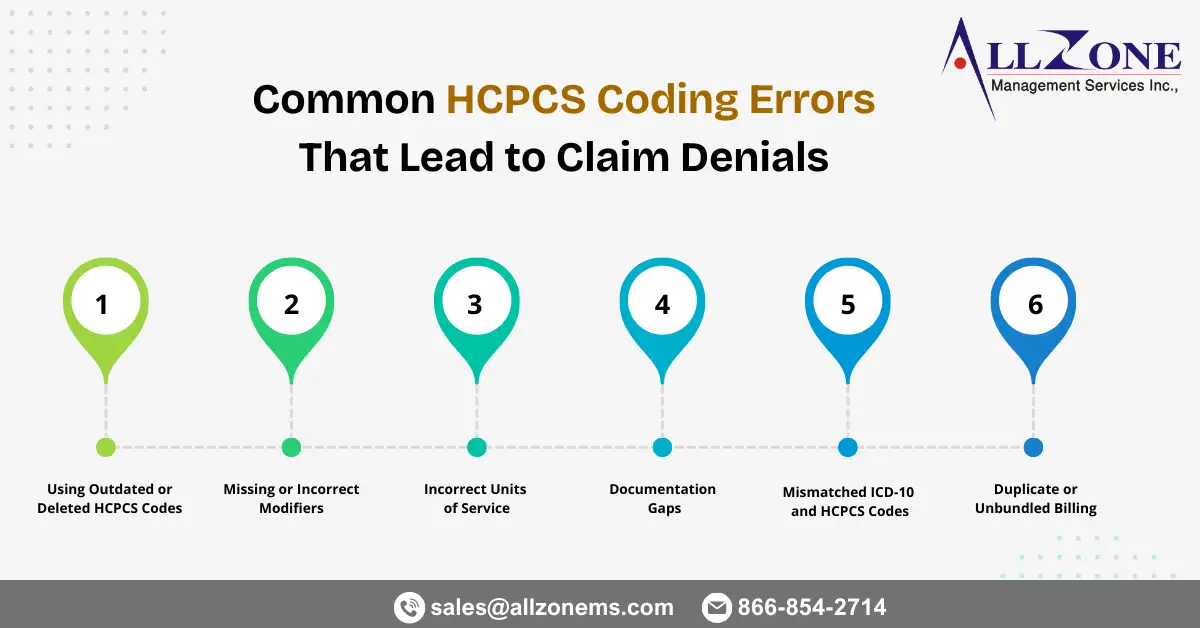
Healthcare organizations rely heavily on accurate coding to ensure timely reimbursement. While CPT and ICD-10 codes often receive most of the attention, HCPCS Level II codes play an equally critical role in billing for supplies, medications, durable medical equipment (DME), ambulance services, and other non-physician services. Even small HCPCS mistakes can trigger claim rejections, payment […]
Accurate CPT coding plays a critical role in ensuring timely claim approvals and consistent revenue for healthcare providers. CPT codes communicate the services rendered to payers, and even small errors can result in claim rejections, delayed reimbursements, or compliance risks. As payer rules become stricter and automated claim reviews more common, preventing CPT coding errors […]
Introduction Hospice care billing under Medicare comes with unique compliance challenges, especially when non-hospice providers deliver services to patients enrolled in hospice. One of the most common sources of claim denials in this scenario is the incorrect use of hospice modifiers, specifically GV and GW modifiers. Understanding the difference between GV vs. GW modifiers is […]
The healthcare industry in 2025 stands at a fascinating intersection of transformation and technology. As hospitals, physician groups, and specialty practices battle shrinking reimbursements, administrative burdens, and ever-evolving payer rules, one clear trend has emerged — outsourced billing partnerships are not just saving costs; they’re driving record-breaking ROI. Once viewed as a tactical solution for […]
Introduction In medical billing, claim rejections and denials are inevitable—but understanding why they occur is the key to fixing them. One of the most important tools for decoding these denials is the Claim Adjustment Reason Code (CARC). Each CARC provides specific information about why a claim or a service line was adjusted, denied, or paid […]
In today’s healthcare ecosystem, precision isn’t just a professional virtue—it’s a financial necessity. Every code, every modifier, every character entered into a medical billing system has the power to either accelerate cash flow or stall it indefinitely. When coding errors creep in, denials multiply, reimbursements are delayed, and the revenue cycle becomes a maze of […]
Accurate medical billing is the backbone of any successful healthcare practice. Even the smallest error in coding or modifier usage can lead to denials, payment delays, or compliance issues. Two important modifiers that play a critical role in drug and biological billing are JW Modifier and JZ Modifier. Understanding when and how to use them […]
The U.S. healthcare industry continues its digital transformation, with providers and payers embracing electronic transactions to streamline revenue cycle management (RCM) processes. According to the CAQH Index, adoption of electronic claims management transactions—such as eligibility verification, claim submissions, and claim status inquiries—has reached or surpassed 80% for many transaction types. However, significant gaps remain in […]