
In the world of medical billing, every patient visit marks the beginning of a financial journey. Once the physician has examined the patient, made a diagnosis, and provided treatment, the next step is ensuring the healthcare provider is reimbursed for those services. This is where the CMS-1500 claim form comes into the picture. Although most […]
Glaucoma is a complex group of eye diseases that can silently cause irreversible vision loss. Because of its prevalence and the need for precise long-term management, accurate and detailed medical coding is critical—not just for reimbursement and compliance, but also for tracking patient outcomes and supporting population health initiatives. This blog will guide healthcare professionals, […]
When medical professionals encounter elevated white blood cell counts in patients, the term leukocytosis is often used. For documentation, insurance, and research purposes, conditions like leukocytosis are assigned specific codes in the ICD 10 system. In this comprehensive guide, we’ll explore everything you need to know about leukocytosis ICD 10, including what it means, how […]
Nuclear medicine is a critical subspecialty of radiology, leveraging small amounts of radioactive material (radiotracers) to diagnose, monitor, or treat a variety of diseases. It offers unique diagnostic information that often cannot be obtained using other imaging modalities. For healthcare providers, understanding the correct Current Procedural Terminology (CPT) codes is essential for accurate documentation, compliant […]
Sepsis is a life-threatening condition that arises when the body’s response to infection causes injury to its tissues and organs. Accurate and compliant coding of sepsis is critical—not only for appropriate reimbursement but also for quality reporting, epidemiology, and patient care. With intricate clinical presentations and evolving definitions, sepsis coding in ICD-10-CM can challenge even […]

Maternal healthcare services require some of the most precise and sensitive medical documentation in the healthcare system. From the first prenatal visit to delivery and postpartum recovery, every stage involves detailed clinical reporting and strict compliance with payer guidelines. This is where ICD O00–O9A Codes: Pregnancy, Childbirth & Puerperium codes play a critical role. Accurate […]
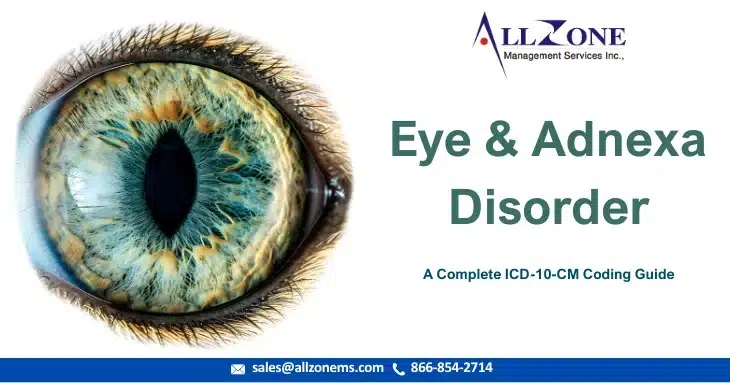
Eye and adnexa disorders are among the most frequently reported conditions in ophthalmology, optometry, emergency medicine, and primary care settings. Accurate coding for these conditions is essential not only for clinical documentation but also for timely reimbursements and compliance with payer guidelines. The ICD-10-CM code range H00–H59 is dedicated to Diseases of the Eye and […]
Accurate coding is the foundation of efficient medical billing, proper reimbursement, and compliance with regulatory guidelines. Among the most frequently encountered diagnoses in healthcare, anemia stands out due to its prevalence and complexity. Whether caused by nutritional deficiencies, chronic diseases, or genetic conditions, anemia must be coded precisely to avoid claim denials and ensure appropriate […]
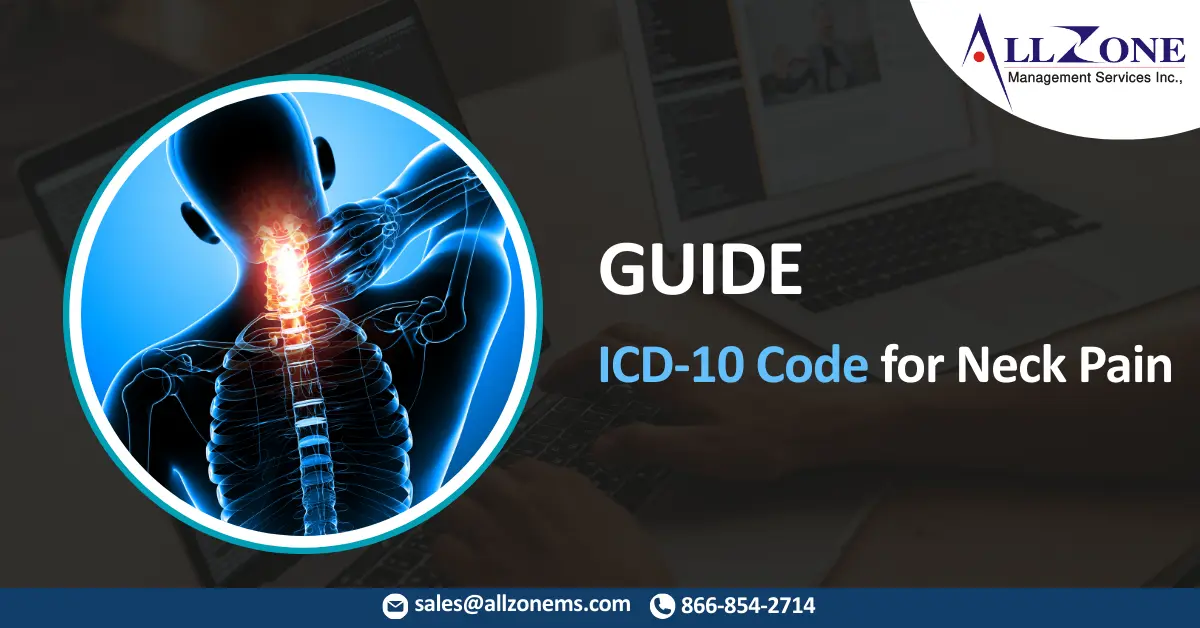
Neck pain is one of the most common complaints among patients in primary care, physical therapy, orthopedics, and chiropractic settings. Whether it’s caused by poor posture, injury, or an underlying medical condition, accurate diagnosis and precise medical coding are crucial for proper treatment, billing, and reimbursement. In medical billing and coding, the ICD-10 code for […]
In today’s evolving healthcare environment, medical billing compliance is more than just a legal requirement—it’s a strategic safeguard for your medical practice. As regulations tighten and audits become more frequent, staying compliant with medical billing standards helps protect your practice from costly fines, revenue losses, and reputational damage. What Is Medical Billing Compliance? Medical billing […]